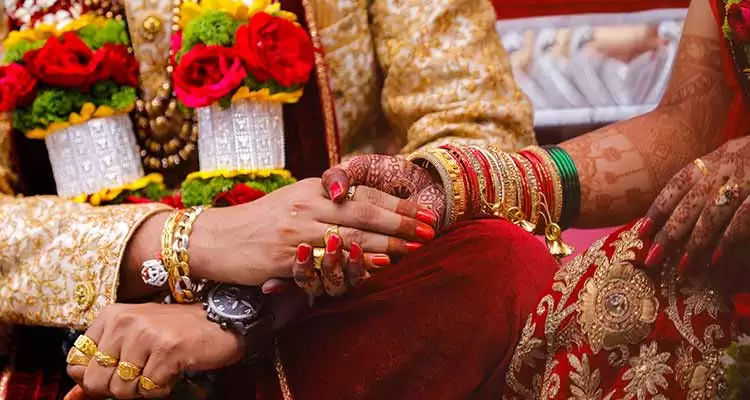
Inter-caste marriages in India have always been a contentious issue. For years, society has been divided along caste lines and intermixing has been strongly discouraged. However, times have changed and inter-caste marriages are on the rise. While the societal taboo still exists, the legal framework in India has made inter-caste marriage a valid and legitimate choice for individuals.
India’s Constitution: Support For Inter-Caste Marriages
The Indian Constitution has several provisions that support inter caste marriage in India. The fundamental right to equality, as enshrined in Article 14, ensures that all citizens are equal before the law and prohibits discrimination on the grounds of caste, religion, sex, or place of birth. This right applies to all aspects of life, including marriage.
Article 15(2) of the Constitution prohibits discrimination based on caste. This means that no person can be discriminated against on the grounds of their caste, including when choosing a spouse. Similarly, Article 16 guarantees equality of opportunity in public employment, which includes equal opportunity in recruitment and promotion. The right to freedom of choice and expression, as guaranteed in Article 19, also includes the right to marry a person of one’s choice.
The Protection Of Civil Rights Act, 1955
The Protection of Civil Rights Act was passed in 1955 to protect the rights of the Dalits and other groups that had been left out. The Act criminalizes the practice of untouchability, which includes preventing a person from entering a public place or using a public facility on the grounds of caste. The Act also criminalizes the incitement of hatred or violence against a person or community based on their caste.
The Act also provides for the punishment of those who obstruct or prevent an inter-caste marriage. Section 3 of the Act prohibits the prevention of any person from entering into any place of worship or from performing any religious rite on the ground of caste. This provision ensures that inter-caste couples are not prevented from performing religious ceremonies or seeking blessings from the deity of their choice.
The Special Marriage Act, of 1954
The Special Marriage Act of 1954 made it possible for individuals of various religions or castes to marry. The Act provides for a civil ceremony that can be performed by any person authorized by the government. The marriage under this Act is a civil contract and does not require any religious ceremony or rituals.
The Act requires the parties to give notice of their intention to marry to the Marriage Officer of the district in which at least one of the parties has resided for a period of not less than thirty days immediately preceding the date on which such notice is given. The Marriage Officer then publishes the notice and invites objections, if any, to the marriage.
The Act also provides for the solemnization of the marriage within thirty days of the publication of the notice, unless the Marriage Officer objects to the marriage. The Act also says that the marriage has to be registered, which is a formal record of the marriage.
The Hindu Marriage Act, of 1955
Hindu weddings in India are governed by the Hindu Marriage Act of 1955. The Act provides for the conditions for a valid marriage, the rights and obligations of the parties, and the grounds for divorce.
The Act does not prohibit inter-caste marriages between Hindus. However, the Act requires that both parties belong to the same religion. This means that a Hindu can marry a person of any caste, but the person must also be a Hindu.
The Act also requires the parties to register their marriage with the Registrar of Marriages within fifteen days of the marriage. The registration of the marriage is important as it provides legal proof of the marriage.
The Indian Penal Code, 1860
The main crime law in India is the Indian Penal Code from 1860. It provides for the punishment of various crimes, including those related to inter-caste marriage.
Section 493 of the Indian Penal Code prohibits the solemnization of a marriage by deceitful means. This means that a person who fraudulently induces someone to marry them can be punished under this provision.
Section 494 of the Indian Penal Code provides for punishment for the offense of marrying again during the lifetime of a husband or wife. This provision is not specific to inter-caste marriages but applies to all marriages.
Section 495 of the Indian Penal Code provides for punishment for the offense of concealing a former marriage from a person whom one is about to marry. This provision applies to all marriages and not just inter-caste marriages.
2005’s Protection of Women from Domestic Violence Act
The Protection of Women from Domestic Abuse Act of 2005 was passed to protect women from domestic abuse. The Act recognizes the right of every woman to live a life free from violence and provides for various measures to protect women.
Domestic violence is defined by the Act to include physical, sexual, emotional, verbal, and financial assault. It also provides for the protection of women from harassment and stalking.
The Act provides for the appointment of Protection Officers to assist women who are victims of domestic violence. The Protection Officer is responsible for assisting the victim in filing a complaint and seeking legal remedies.
The Act also provides for the issuance of Protection Orders, which require the respondent to stop committing acts of domestic violence and to stay away from the victim.